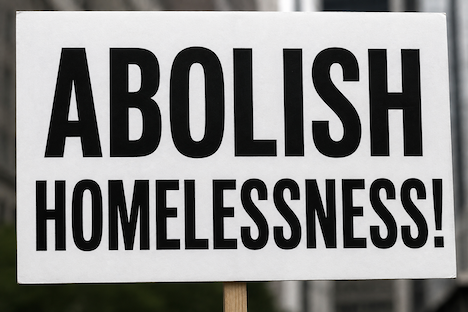
I’m disturbed when we recognize children as being resilient after years of food insecurity, as though their ability to endure hunger somehow softens the injustice of going without enough to eat. I’m troubled that we have to celebrate people for persevering through discrimination, as though their strength makes that injustice any less appalling. And I’m deeply uneasy when we admire people for overcoming homelessness without noting the systemic failure that communities lack enough affordable housing.
Beyond that, how can we be so confident in calling someone resilient when we cannot know what their experiences have cost them or what struggles lie ahead? Someone may appear to be coping while carrying wounds we cannot see, or find their footing today only to struggle with the consequences of what they endured for years to come. We cannot know who will emerge from hardship relatively unscathed or who will continue to suffer and what it will take for them to heal.
There is nothing wrong with admiring people’s strength. But I worry resilience can become a story we tell about someone—a neat way to frame their suffering, celebrate their survival, and then move on. Instead of a starting point for action, resilience too often becomes a stopping point for some observers. They admire the person who perseveres without asking what we can do to help, what injustices they still face, or what needs to change so others don’t endure the same hardships. The story ends with their strength rather than beginning with our responsibility to act.
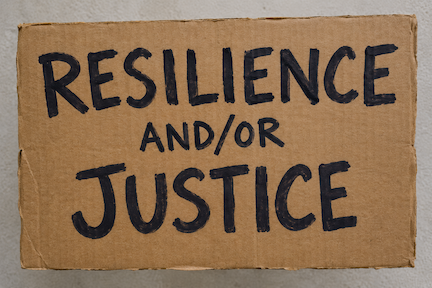
Resilience! Sometimes it sounds like praise. And yes, it is a testament to people’s fortitude, resourcefulness, and determination. We should honor those qualities by showing up for people and fighting for the justice they deserve. Ultimately, our goal should not be to produce more resilient people who can withstand injustice, but to create a more just society where fewer people have to endure it.