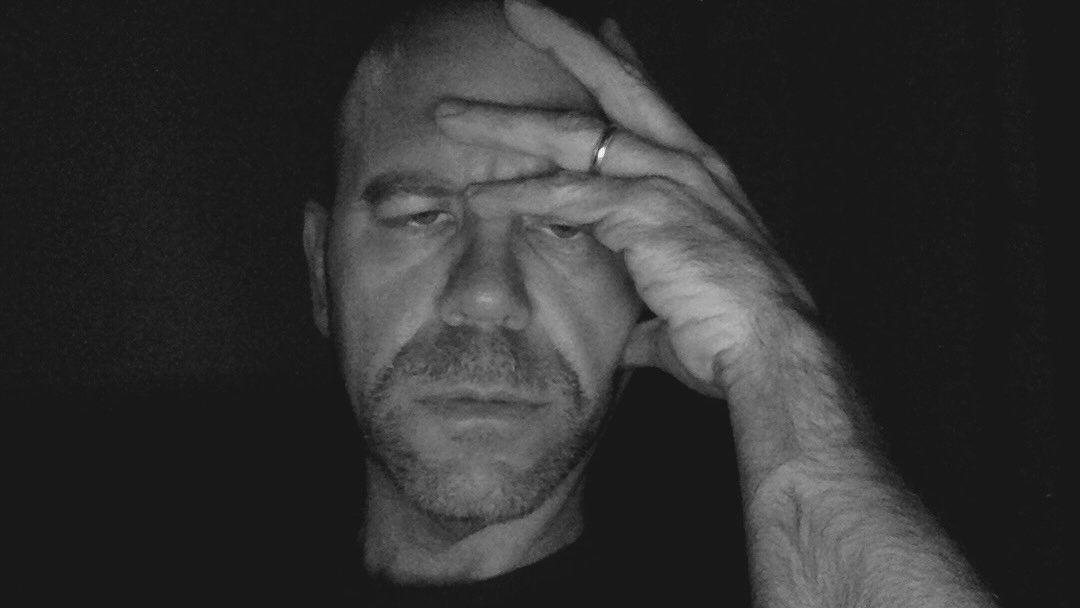
Six and a half years ago, I experienced a severe episode of Depression and Anxiety. Since then, much of my emotional energy has been spent trying to claw my way back to the person I used to be.
Back then, my mental health was in terrible shape. But I also knew myself. I understood my strengths, my capabilities, and how I moved through the world. There were things I did well—things that, for now, I’d rather keep private. The point is that, ever since that period of my life, my goal hasn’t been to build something new. It has been to recover what I believed I had lost.
As I’ve written about recently, Depression and heightened Anxiety didn’t just affect my mood. They altered my sense of identity. And losing part of your identity isn’t something you simply shrug off. At least, I haven’t.
Recently, though, my therapist has been gently nudging me in a different direction.
She asks questions like, “How do you learn?” “What are your strongest communication skills?” and “How do you express joy, sadness, or anxiety?”
Notice what she isn’t asking.
She isn’t asking how I learned before Depression. She isn’t asking how I used to communicate or how I used to experience emotions.
She’s asking about who I am today.
Pretty sneaky, huh?
Some of those questions are easy to answer. Others leave me searching for words. That’s because, for the past six and a half years, I’ve defined success as returning to an earlier version of myself. I’ve been so focused on reclaiming the past that I haven’t spent much time discovering the person I am now.
Deep down, I know that has to change.
Acceptance doesn’t mean pretending nothing was lost. It means acknowledging that something was lost while also recognizing that my life can’t be spent chasing a version of myself that may no longer exist.
Instead, I need to understand the person I am today.
What are my strengths now?
What have I retained?
What new abilities or perspectives have emerged from everything I’ve been through?
Once I begin answering those questions, I can focus on developing those strengths instead of mourning only the ones I believe I lost.
I honestly don’t know where that journey will lead.
Until recently, I hadn’t spent much time looking for this version of me. Learning to let go of the old identity, finding my footing in the present, and discovering new strengths will require a great deal of emotional energy. Some of it will almost certainly provoke anxiety. Growth often does.
Have I reached acceptance?
Not yet.
Right now, I’m simply committing to asking the questions my therapist has been asking me. Maybe I’ll discover that some of my old strengths never disappeared—I was simply too anxious to recognize or trust them. Maybe I’ll discover entirely new strengths that I couldn’t have imagined six years ago.
I don’t know.
But for the first time in a long time, I’m beginning to think that the goal isn’t to become who I used to be.
It’s to discover who I am now.
Thanks for reading.