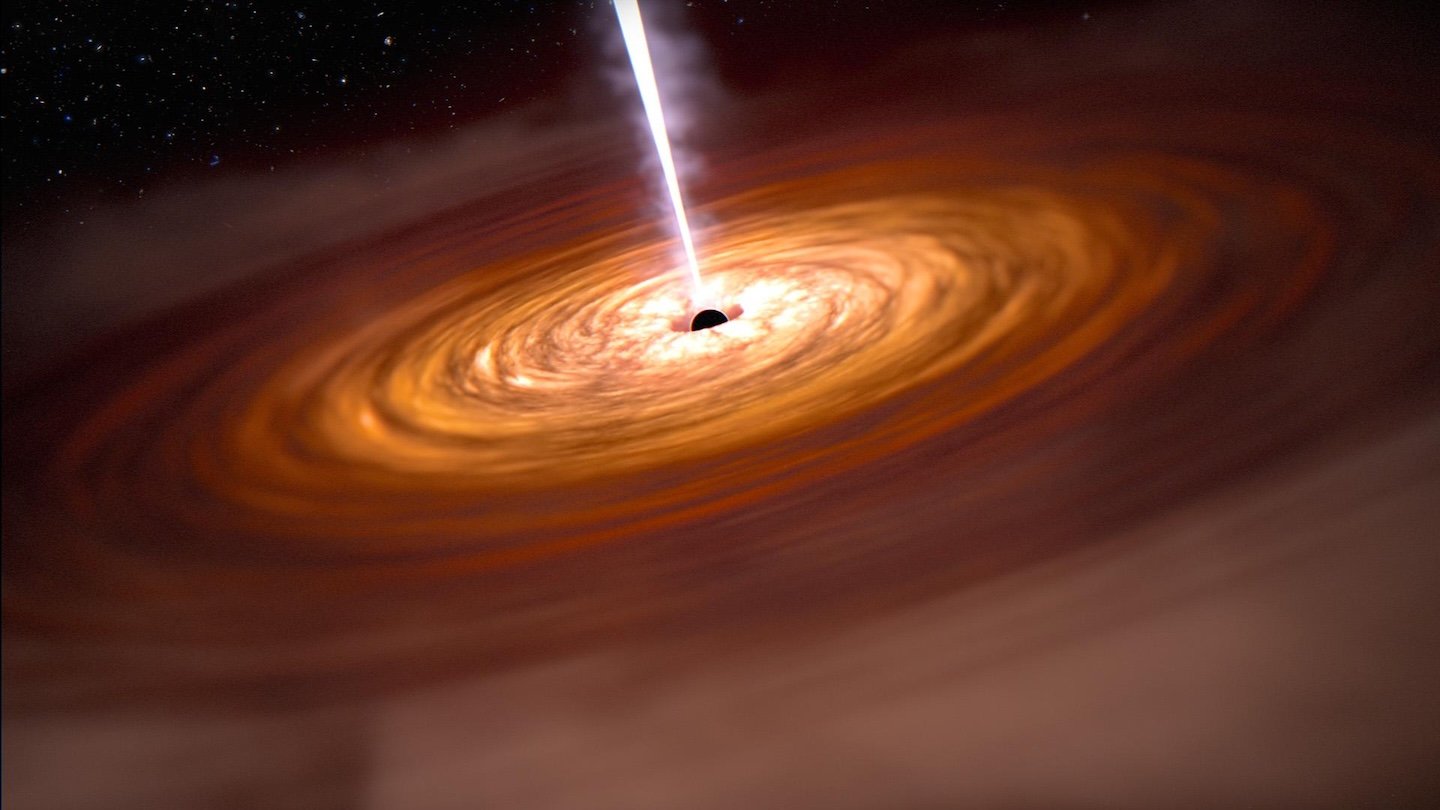
In astronomy, a black hole is a place where gravity becomes so overwhelming that nothing escapes—not matter, not light. Space and time collapse into one another.
Lately, I’ve come to think that’s one of the best metaphors I’ve found for severe depression.
Yesterday, I nearly fell into one.
I say “nearly” because I’ve seen people I love disappear completely into that darkness for days. Yesterday wasn’t that. But for several hours I stood on the edge of that black hole, feeling its pull.
If I had fallen all the way in, movement would have become nearly impossible. Time would have seemed to stop. Words would have refused to leave my mouth. I would have become little more than a body pinned beneath an invisible force.
Instead, I hovered just outside it.
I could still speak, but every word took effort. They came out slowly, mumbled, almost slurred. I could still move—but barely.
I managed to type a short blog post. I responded to kind messages people had sent me.
But for several hours I could not get myself off the bed. I was starving. I had to use the bathroom. Yet I couldn’t persuade my body to stand.
The strange thing is that this wasn’t simply exhaustion. When people picture depression, they often imagine someone without energy. Sometimes that’s true. But what I experience is far stranger. Depression doesn’t simply drain one part of me. It seems to collapse every part of me into the others. My physical energy disappears. My emotions disappear. My ability to think through simple steps disappears. Even purpose disappears.
I knew perfectly well how to make myself something to eat. I could have listed every step if someone had asked me. But I couldn’t string those steps together into an action my brain was willing to carry out.
The desire to eat was there. The ability to begin wasn’t.
On my nightstand sits a stack of magazines I genuinely enjoy. They’re little treats—mental bubble gum that I look forward to reading. Near the black hole, I can’t even reach for them.
It’s as if my hands refuse to cooperate. My brain insists reading will require too much effort. And somewhere deep inside another voice quietly asks, “What would be the point?”
Oddly, depression isn’t always consistent. I might have enough energy to reach over and turn on the bedside lamp. Or pick up my laptop. Or scroll through social media—even pages that contain the very same stories I can’t seem to summon the energy to read in the magazines sitting twelve inches away.
It makes no sense. That’s one of the reasons depression can be so hard to explain.
Another strange feature of my depression is that my relationship with time sometimes changes. The first time it happened, I was pumping gas. For a few moments I actually thought it was fascinating. The numbers on the gas pump seemed to slow down. Cars appeared to move more slowly through the parking lot. Then I noticed that I was moving more slowly too. I said something to Rebecca.
In my own head, the words sounded badly slurred. To her, they simply sounded unusually deliberate, as though I were carefully enunciating every syllable.
I immediately handed her the car keys.
I had read that some people experiencing severe depression report a warped perception of time. I remember telling her something like, “I think I’m experiencing depression time.” I didn’t think it was safe to drive.
Within minutes, I had nearly fallen into that depressive black hole.
Since then, slowed time and slurred speech have become warning signs. When they appear, I know something much darker may be approaching. Yesterday they returned.
Fortunately, I don’t spend much of my life near black holes.
Most of the time I’m simply Michael—a guy who loves his work, enjoys life, occasionally struggles with anxiety, and sometimes experiences panic attacks.
Even during the past couple of difficult months, I’ve usually been able to function. Therapy has given me tools. Medication has often helped. I’ve learned exercises, distractions, and routines that can lessen the symptoms, delay them, or sometimes help me escape them altogether.
Like so many people living with mental illness, I’ve learned ways to keep contributing even when I’m struggling. And sometimes something remarkable happens. Purpose overpowers the black hole.
Put me in front of a room to teach advocacy. Ask me to help a community organize a campaign. Let me negotiate with policymakers or coach citizen leaders. It’s as if someone flips a switch. Suddenly I’m focused. Confident. Engaged. Useful.
I jokingly call him “Super Michael.” He shows up because, in those moments, my brain remembers something essential: You are good at this. You are needed.
The problem is that Super Michael doesn’t stick around very long. When the meeting ends, it’s often like letting the air out of a balloon. I deflate. Sometimes that’s exactly when the black hole returns.
A few weeks ago I experienced that with one of our citizen leaders—a woman I also consider a friend. Before the meeting, I was barely functioning. My words were slurred. My thoughts were scattered. I must have looked completely incapable. At one brief moment of clarity I told her, “Just start the meeting. Cue me when it’s my turn. I’ll be okay.” She trusted me.
The meeting began. She cued me. And for the next hour, Super Michael arrived.
When the meeting ended, I quietly leaned over and said, “Okay…my brain is turning off.” I mumbled a few more words. Then I went home.
Those moments are thankfully rare.
I’m also fortunate. I work alongside extraordinary colleagues, advocacy partners, and community leaders who understand that sometimes we carry one another. Sometimes one person’s strength fills the gap created by another person’s weakness. I’ve learned it’s okay to rely on them.
Today I met once again with my psychiatrist. We agreed that our latest medication plan simply didn’t work. So we’re moving on to Plan C. Medication changes always make me nervous because previous transitions haven’t been easy. I don’t know exactly what the next few weeks will look like.
Thankfully, this is also a season when I can lean on an exceptional team at work and in the community. When I stumble, others are there to keep things moving.
I’m grateful for that.
And I’m hopeful that a few weeks from now I won’t need to summon Super Michael anymore. I’ll simply be Michael. A guy who loves social justice. A guy who’s fortunate to be good at it. And a guy whose mind finally feels like home again.
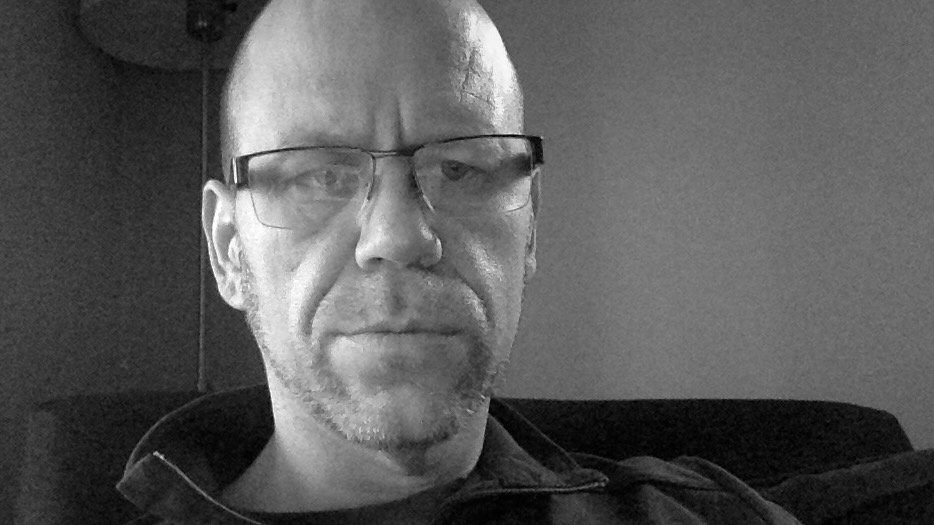
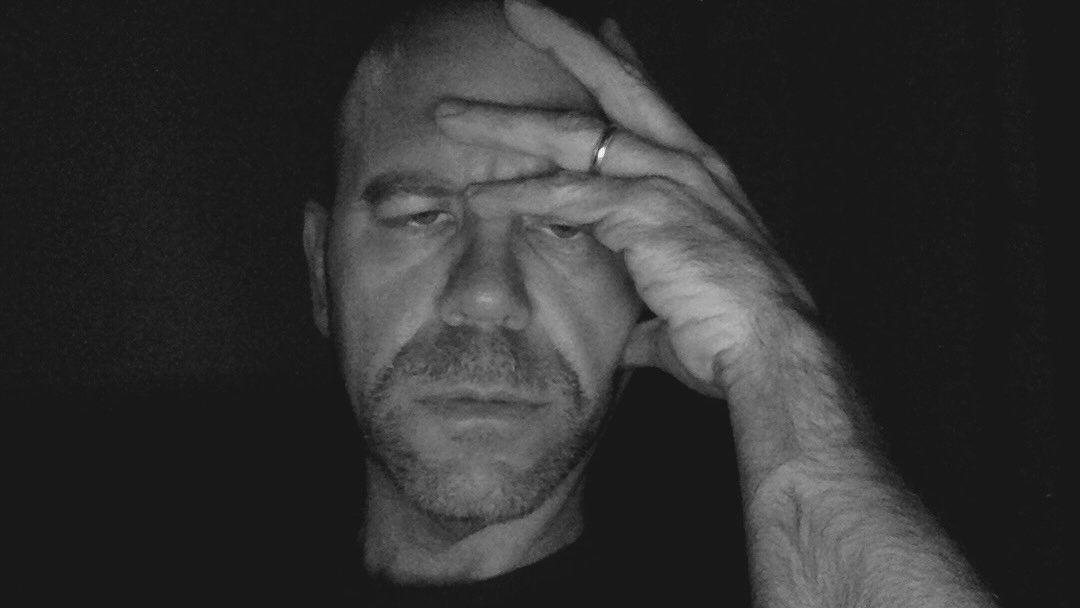
One last thought. When depression becomes severe, I sometimes become convinced that everyone around me can see it. I feel my shoulders collapsing inward. I imagine my face twisted in anguish.
I become irritated with Rebecca because I think, “Why isn’t she helping me? Surely she can see I’m falling apart.” A few weeks ago this happened while she was driving us to the grocery store. I was already experiencing that strange slowing of time. I felt as though my body was melting into the passenger seat. By the time we arrived, I was certain I looked absolutely terrible.
I decided to settle the question. I walked into the restroom and looked in the mirror.
I was stunned. There I stood in one of my favorite outfits. I was standing straight. I looked healthy. I looked…tired. Maybe like someone coming down with a cold. That was all.
No one—not a single person walking through that grocery store—would have guessed that, inside my mind, an entire universe seemed to be collapsing.
That may be one of the cruelest things about depression. Sometimes, while it feels as though you’ve (nearly) fallen into a black hole, the rest of the world simply sees someone who looks a little tired.