A handful of days ago, I wrote about revisiting some of my favorite music and paying closer attention to the lyrics that have stayed with me over the years. In that post, I shared a few songs about love—and love lost. (And yes, for the record, I’m happily married. But sad love songs can still strike a chord.)
Today I’d like to share a few songs that speak to something much more personal: mental illness.
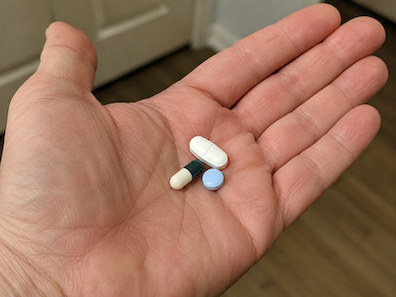
Those who know me know that anxiety has been a constant companion for much of my life. Talk therapy and medication have made it far more manageable than it otherwise would have been, but anxiety still finds ways to toy with me. I’ve also wrestled with depression, though thankfully medication has helped keep it at bay for several years.
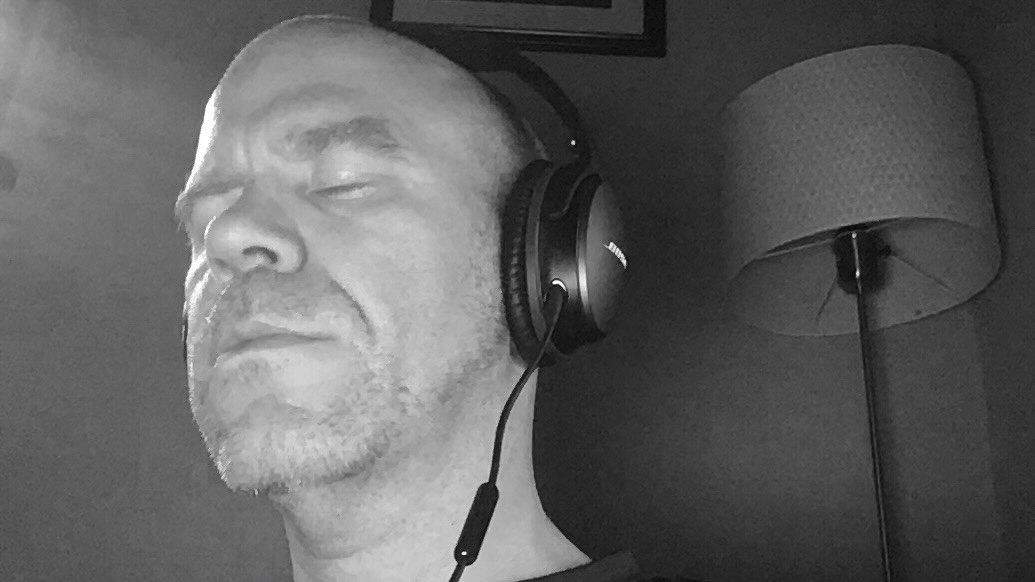
One of the things that has helped me most is listening to musicians who are willing to write honestly about their own struggles. There is something profoundly comforting about hearing someone put into words feelings that can be so difficult to describe. It reminds me that I am not alone.
Over the years, I’ve collected a short list of songs that capture these experiences with remarkable honesty and insight. Today I’d like to share three that have meant a great deal to me.
At one point in my life, I experienced a deep depression. Rilo Kiley’s “A Better Son/Daughter” captures both the crushing weight of depression and the pressure so many people feel to hide their pain and simply appear happy. Few songs I’ve heard describe that experience so vividly.
One line in particular has always stayed with me:
“You’ll fake it if you have to.”
Those eight words capture something that many people living with depression know all too well. You go to work. You smile. You laugh at the appropriate moments. You try to be a good friend, a good coworker, a good family member. Outwardly, everything looks fine. Inwardly, you’re simply trying to survive.
The next song is “Shake It Out” by Florence + the Machine. I know the song is ultimately meant to be empowering, and it is. That’s one of the reasons I return to it whenever my anxiety begins to spike.
When Florence Welch sings, “It’s hard to dance with a devil on your back,” I’m sometimes on the verge of tears.
For me, that line isn’t just a metaphor—it’s a remarkably accurate description of what severe anxiety can feel like. I don’t literally believe demons or spirits are haunting me, but I often describe Anxiety and Depression as demons clutching my throat or pressing against my chest. Those metaphors capture the very real physical sensations that can accompany intense anxiety. It’s also why I sometimes capitalize the words Anxiety and Depression. At their worst, they can feel less like emotions and more like outside forces laying siege to the mind and body.
Yet there is something deeply therapeutic about hearing someone else give voice to those feelings. In those moments, I feel a little less alone.
The final song I’d like to mention is “I See a Darkness” by Bonnie ‘Prince’ Billy. More specifically, it’s a single lyric that has stayed with me for years:
“And pull the smiles inside.”
Few lines have captured so powerfully the longing to truly feel the happiness we so often project to the world.
I suspect many people living with anxiety or depression recognize that feeling. We smile. We make conversation. We spend time with friends and family. We go to work. From the outside, everything appears normal.
But sometimes the smile never quite reaches the inside.
That single line expresses, with extraordinary honesty, the hope that one day it will.
If you struggle with anxiety or depression and haven’t already done so, I hope you’ll consider reaching out for support.
First, it helps to have a handful of trusted friends or family members you can talk to. Often, their greatest gift isn’t advice—it’s simply listening. Being heard reminds us that we don’t have to carry our burdens alone, and that can make an enormous difference.
Second, if you decide you need professional help, talk therapy can be remarkably effective. A skilled therapist can help you better understand the thoughts, emotions, and experiences beneath your struggles, and over time help you move toward greater peace and well-being.
Third—and I’m grateful to my friend Sue Abderholden, a longtime leader in mental health advocacy, for this reminder—if you are in crisis or feel like you might harm yourself, call or text 988. Help is available, and you don’t have to face those moments alone.
To everyone who has read this, whether these words describe your own experience or that of someone you love, I wish you peace.