Several years ago, my psychiatrist and I spent months adjusting my medications, trying to find the combination that would bring me the greatest relief from Anxiety. We changed dosages, tried different approaches, and carefully watched the results.
Eventually, she said something that I wasn’t ready to hear. “This is about as far as medication is going to take you. The rest of the work is up to you and your therapist.”
She wasn’t being discouraging. She was simply being honest.
So I returned to therapy.
Over the next several months, I made progress. My Anxiety lessened. I learned new coping strategies. Life became somewhat more manageable.
But I still wanted more.
I remember one session especially well. Through tears, I told my therapist how frustrated I was. I wanted to bring the very best version of myself into every conversation and every relationship. Instead, I felt like a failure.
She listened for a while before saying something that stopped me.
“Michael, maybe you are bringing your best self.”
That wasn’t her way of saying I was done growing. She wasn’t telling me to settle or to stop trying. She simply believed that, given where I was in my treatment, I was already giving life everything I had.
I didn’t want to believe her.
Sensing that I wasn’t convinced, she said she wanted to try an analogy.
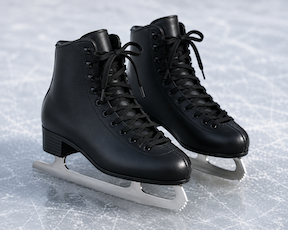
“Michael, you’ll never be a professional ice skater.”
“Huh?”
Professional skaters begin as children. They spend years developing balance, strength, flexibility, and muscle memory. They have coaches, disciplined practice schedules, and thousands upon thousands of hours on the ice. Skating eventually becomes almost second nature.”
At forty-eight years old, I could certainly decide to learn how to skate. I could take lessons. I could commit to regular practice. And, I could improve dramatically. But I would never become a professional. I simply hadn’t spent the first half of my life developing the skills that professionals spend years mastering.
“If you really committed yourself,” she said, “you might become quite good. You might even become proficient. But you’ll never be a natural.”
I understood exactly what she meant.
Unfortunately, I also heard something she wasn’t saying.
I heard, “You’ll never become the person you’re wishing for. You’ll never become a pro at handling stress or even some regular life experiences.”
That realization felt like a loss. It still does.
But over the years, I’ve come to understand that her analogy wasn’t really about limitations.
It was about expectations.
I may never glide effortlessly through every situation. My mind may never respond as calmly and naturally as someone who has never struggled with Anxiety. There will probably always be moments when I wobble, lose my balance, or even fall.
But none of that means I can’t get better.
Every difficult day I successfully navigate builds a little more confidence and a little more balance.
Over time, I’ve become better at recognizing Anxiety before it overwhelms me. I’ve learned when to slow down, when to ask for help, when to challenge anxious thoughts, and when to simply let the feelings pass without believing everything they tell me.
I’m still learning. I’m still practicing. And, yes, I still fall from time to time.
But falling doesn’t mean I don’t “know how to skate.”
Looking back, I think my therapist was giving me permission to stop chasing perfection and start appreciating progress.
Years later, I’m still improving. I suspect I always will be.
I’ll never be a professional ice skater.
But that’s okay.